Karen ancestors who first settled down in this area called it Kaw Lah “Green Land” as they claimed the country was full of green vegetation, fertile soil, and abundant fish and wildlife. These abundant natural resources gave opportunity for the Karen people to inhabit this land peacefully. The people mostly settled in the plain areas close to rivers and streams, and their livelihoods depended solely on agriculture. After many centuries in this country, other ethnic people, such as Tai, Mon and Burman, migrated into these areas and brought the landlord policies. Under this landlord system, the Karen people were oppressed, abused, and forced into slavery. As a result of these unfair policies, the Karen people were not allowed to use trees to build their houses. The Karen were the first settlers to inhabit the plain areas, but due to increased oppression and abuses against them, they fled to the mountains and deep into the forests. Therefore, a Burman proverb said “After the tree stump decayed the Karen people went away” meaning the Karen people are always scared of foreign invaders who take their land.
In 1826, the British set up a colonial government and established economic policies. The British were looking for high quality wood and found the teak tree to be the best in the forest. They claimed all teak trees as British colonial government property and did not allow anyone else to cut down teak trees. In 1826, the colonial government began logging in the Tenasserim and Salween districts for their economic development. Logs were floated down the Salween River to the gulf of Mauntama and the wood was sold to European countries and India.
By 1852, logging had expanded to Pago and Pago Roma Range. Most of the workers were recruited from Tenasserim. The trees were floated down the Sittaung River to the Delta for trading. In 1856, the British colonial government formed the Forestry Department for forest extracting economics such as the Germany (Dietrich Brandis) and technology conducting method for (Burma Selective System). Many Karen people worked in the Forestry Department learning technical skills of managing logging and timber exportations.
In 1870, the colonial government established forest reserve areas, teak forest plantation areas, and wildlife sanctuaries. Many restrictions were placed on using the forest and Karen people, many of whom depended on the forest for their livelihood, faced great difficulties. In 1902, ACT Law was enacted by the colonial government because of the damage that the trading of timber, wildlife, and other natural resources did to the environment.
In 1948 Burma got independence from the British Colonial government. On 31 January 1949, the Karen people began their revolution for an autonomous state. On 14 June 1949 the Karen leaders had a conference and established a system of governance. Mr. Sein Htin was elected as the Head of the Karen Agriculture and Forestry departments. By 1955, the major logging activities in Burma had stopped. In June of that year the first Karen National Congress was held. During the congress the Central Committee members amended policies and elected Mr. Sue Maung Lwin as Head of the Agriculture Department. In 1956 the second Karen National Congress was held at Mou Ko Kee and Mahn Hsa Plate was elected as Head of the Forestry Department and Agriculture Department. In 1966, Governor Tha Pyee became the Head of Agriculture and Forestry Departments. In 1972, a meeting was held on the Forest Act and Mr. Jackot translated the Act from English to Burmese. In 1974, during the ninth KNU Congress the Forestry Department ratified the Forest Act. In 1980, Saw Aung San became the head of the Forestry Department.
Since then logging activity has increased. The SLORC government sold five year contracts to thirty-six Thai companies for forty-two forest areas. These logging contracts led to the destruction of 18,800 Km2 of forest within five years. In December 1993, due to the pressure of many countries, SLORC stopped logging activities along the Thai-Burma border. From 1996 to 1998, illegal logging activities occurred in the Salween River valley and many blamed Aung San later major logging activities seemed to stop from the Burma side. From 2000 to 2008, Pu Ker Hser Doh was Head of the Forestry Department. At the Fourteenth KNU Congress P’ Doh Eie Htoe was elected as the Head of the Forestry Department.
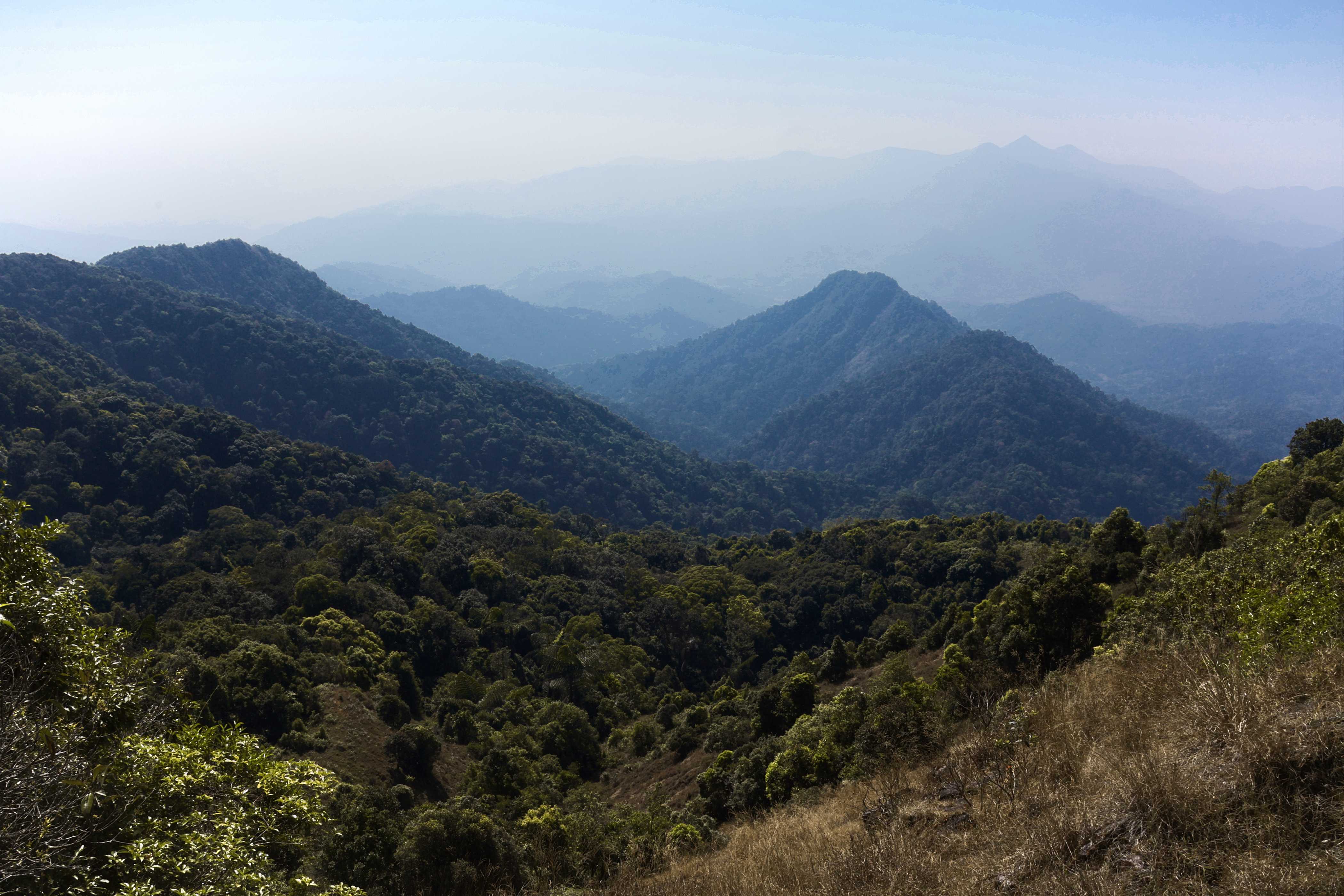
To protect, manage, and sustainably develop Kawthoolei’s forest resources through scientific research, active community engagement, and the strict enforcement of environmental regulations. We strive to ensure ecological balance, promote environmental security, and foster a culture of conservation across all communities.
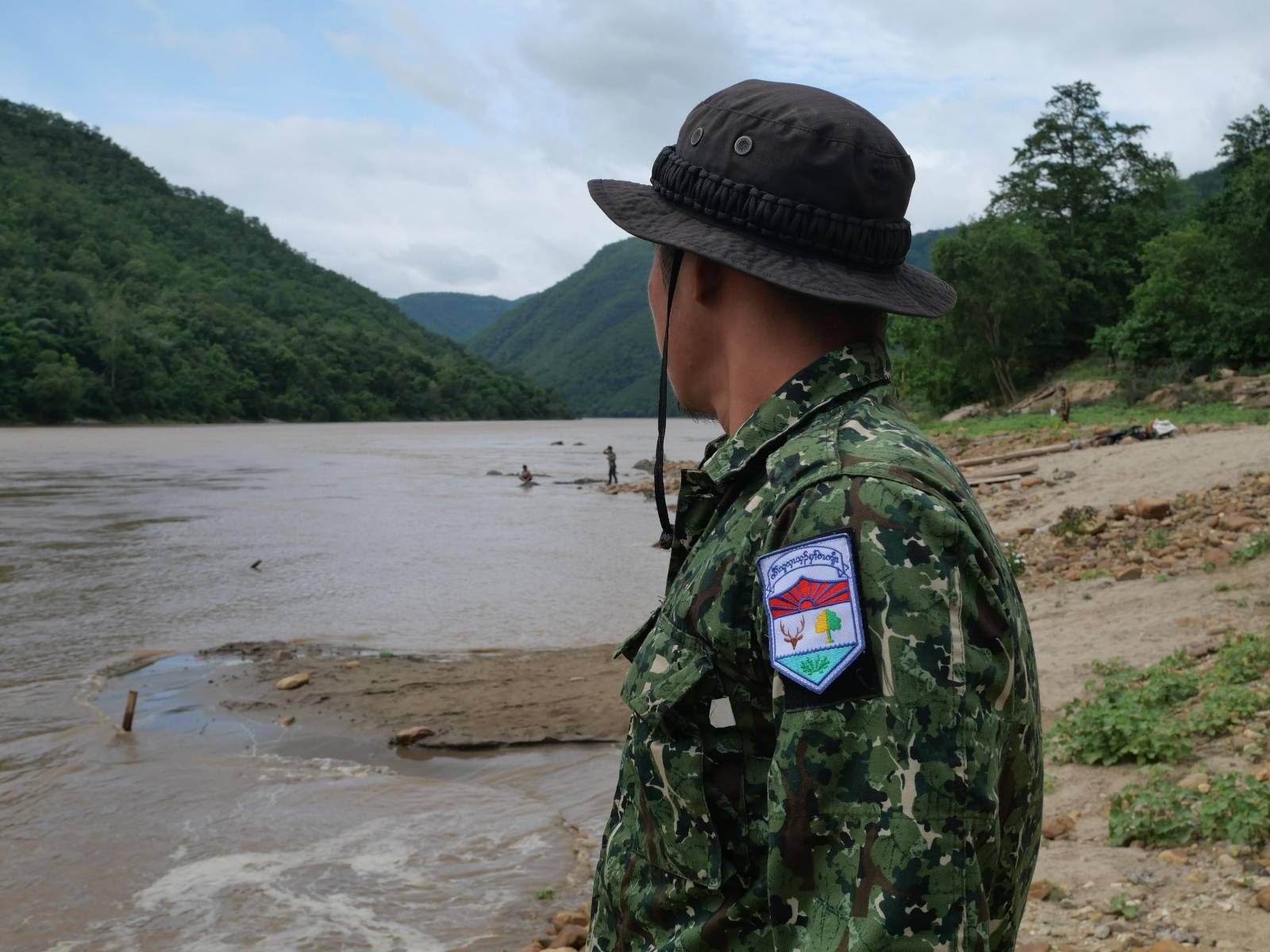
Goal 1: To promote the sustainability of forests and ecosystems.
Goal 2: To conserve and protect biodiversity.
Goal 3: To promote collaborative natural resources governance.
Goal 4: To promote the revival of traditional cultural practices and customs.
Goal 5: To strengthen research and human resources development.
Goal 6: To strengthen institutional and law enforcement
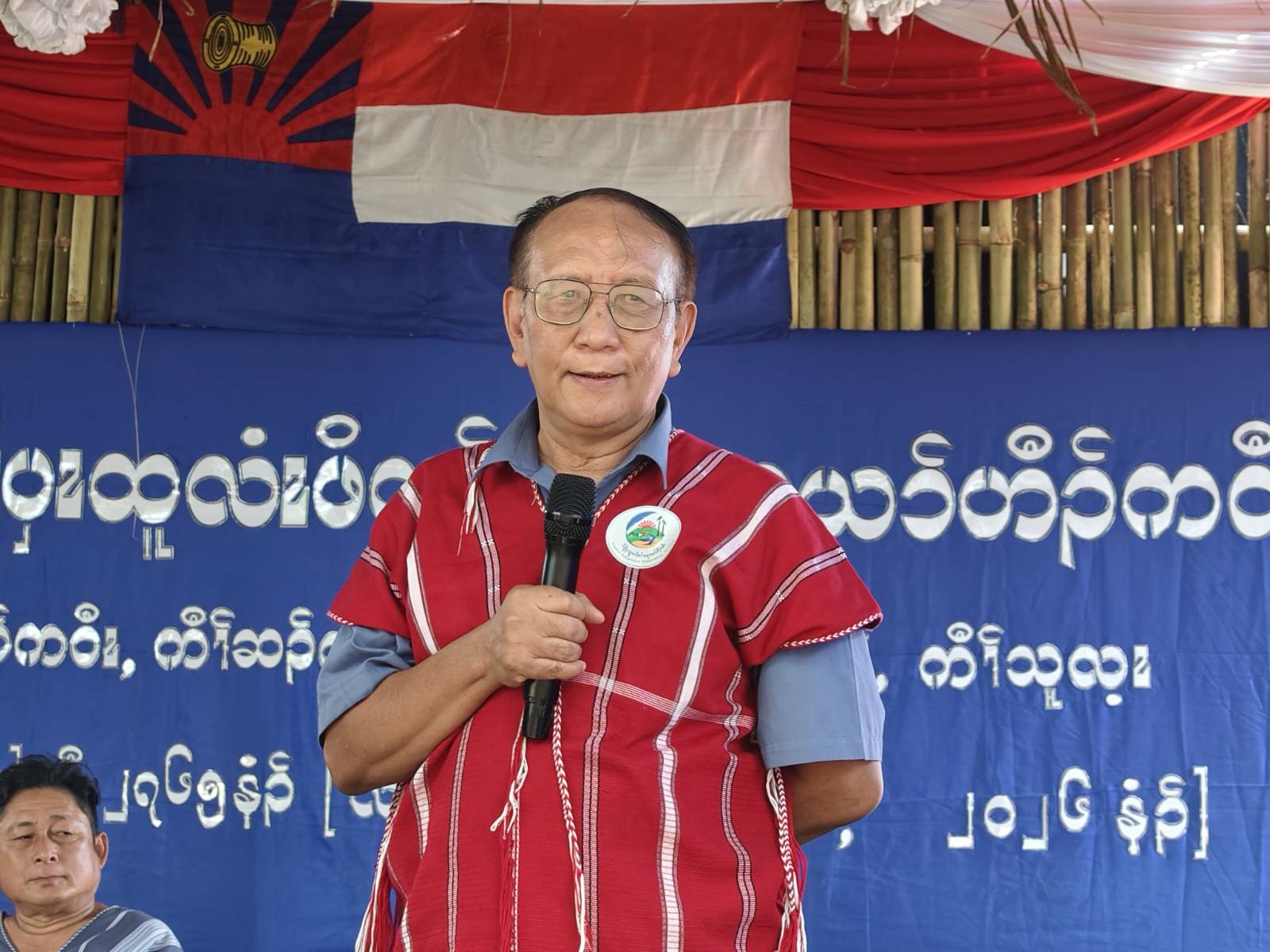
Central KFD Head
Currently, p'doh mahn ba tun has served as the head of the central kawthoolei forestry department (kfd) under the karen national union (https://www.Knuhq.Org/) since 2012. In this capacity, he has provided leadership and guidance for the department's forestry and natural resource governance activities across kawthoolei. His responsibilities within the forestry department, p'doh mahn ba tun has served as a member of the knu central standing committees (csc). The csc is responsible for the day-to-day leadership and administration of the knu.