
The Kawthoolei Forestry Department (KFD) works closely with local civil society organizations, community-based organizations, and technical partners to strengthen forest and wildlife conservation and promote sustainable, community-led natural resource governance across the seven districts of Kawthoolei.
Among KFD’s key partners are the Karen Environmental and Social Action Network (KESAN) (https://kesan.asia/) and the Karen Wildlife Conservation Initiative (KWCI) (https://www.kwci.org/), and some other NGOs/INGOs. Through these partnerships, KFD strengthens the capacity of forestry and conservation practitioners and supports communities in protecting forests, wildlife, biodiversity, and cultural heritage.
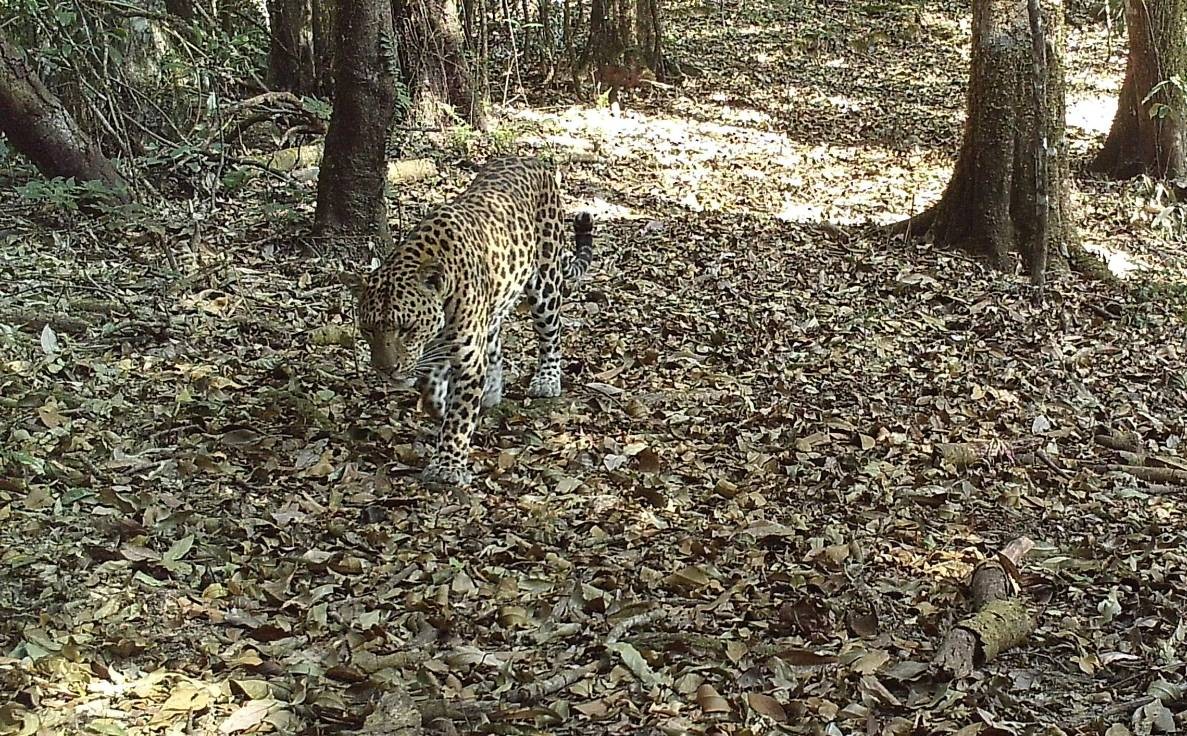
KFD collaborates with its partners to strengthen wildlife protection and biodiversity conservation. This includes supporting community-based approaches to wildlife monitoring, conservation planning, and the protection of important habitats and ecosystems.
Through these collaborations, KFD and its partners provide and strengthen capacity in areas such as:
A central part of KFD's work is supporting Karen customary governance systems and Indigenous knowledge. KFD recognizes that forests and landscapes are not only sources of natural resources but are also closely connected to Karen culture, identity, spirituality, livelihoods, and community institutions.
KFD therefore supports the revitalization and strengthening of Kaw customary governance, including customary rules, practices, institutions, and Indigenous knowledge that have guided communities in managing and protecting their territories for generations.
Through cultural revitalization, KFD works with communities to maintain and strengthen traditional knowledge, practices, and relationships with forests, wildlife, rivers, and other elements of the landscape.
KFD promotes community-led approaches to forest governance that recognize the important role of local communities as custodians and decision-makers of their territories. These approaches include:
Kaws—Customary territories governed through Karen customary institutions, rules, knowledge, and practices.
Community Forests – Forest areas managed and protected by local communities to support sustainable livelihoods, biodiversity conservation, and long-term forest stewardship.
Indigenous Parks and Stewardship Territories – Community- and Indigenous-led conservation areas that integrate biodiversity protection with customary governance, cultural values, livelihoods, and Indigenous knowledge.
KFD supports and collaborates with Indigenous conservation initiatives, including the Salween Peace Park (https://kesan.asia/salween-peace-park-program-3936/), Thawthi Taw Oo Indigenous Park (https://kesan.asia/land-forest-management/thawthi-taw-oo-ip/), and Pawklo Indigenous Stewardship Territory (https://kesan.asia/publication/paw-khlo-indigenous-stewardship-territory-charter/). These initiatives demonstrate how conservation can be strengthened through Indigenous governance, customary institutions, community participation, and locally grounded knowledge.